Naoki Morioka (20s), university student (part-time at an accounting firm), internship (2 months), level 2 (High Beginner) → level 3 (Low Intermediate)
I’m interning at Deloitte Philippines in Manila.
Why did you decide to join the internship program?
First, to improve my English; second, to gain experience working abroad.
For the first, I could have gone to a language school, but I wanted to learn more practical English by interacting with locals as equals in everyday conversation. I also wanted exposure to English audit terminology by working abroad.
For the second, I strongly hope to go abroad in the future, so I chose an internship to get even a small sense of what working abroad is like.Being able to intern at the kind of firm I’ll work for in the future — and abroad, at that — is a very valuable experience.
What did you gain or learn from this internship?
Most of all, foreign culture. The Philippines has something called “Filipino time” — people are almost always late for meeting times (lol).
On the other hand, the local people are very friendly. When I wasn’t used to things, they actively talked to me and made me laugh — everyone was warm. We became friends right away. Filipinos also love singing and dancing, and I felt they have an energetic national character.
Both good and bad, there is a culture different from Japan’s, and experiencing it directly was a big gain.I felt it’s important to accept these cultural differences, respect each other, work together and interact with local people.
I also learned the importance of communication.
I don’t know yet what Japanese workplaces are like, but Filipinos always value communication, and in the office and on team trips everyone was friendly regardless of rank — a very good environment. Even without the language, there were several times when actively approaching and talking to people built good relationships. Even complete strangers became friends or talked to me when I approached them. In that sense, I strongly felt the importance of communication.
Based on your internship, what skills do you feel you need to improve?
English.
Even in daily conversation, but especially in audit work, technical terms fly around and locals use them freely. Once in a team meeting, I was suddenly asked to explain a certain audit system. My mind went blank and I couldn’t convey what I was thinking at all. I often felt the same during work, which was very frustrating. I had so much I wanted to say but couldn’t express it. I strongly felt that improving my English is essential first.
How much did you spend living in Manila? Breakdown (e.g. transport, food, entertainment)
Food (per day): breakfast 0 JPY; lunch about 100 PHP (200 JPY); dinner 200–300 PHP (400–600 JPY)
Entertainment: on weekdays basically nothing besides food. I spent money on trips — about 3,000 PHP (6,000 JPY) per trip (1 night, 2 days).
How did you spend your free time?
After work on weekdays I went out to eat with various people — local colleagues, seniors and my Japanese boss, as well as teachers from the English school and Japanese students there at the same time. When I had no plans after work, I relaxed watching English videos.
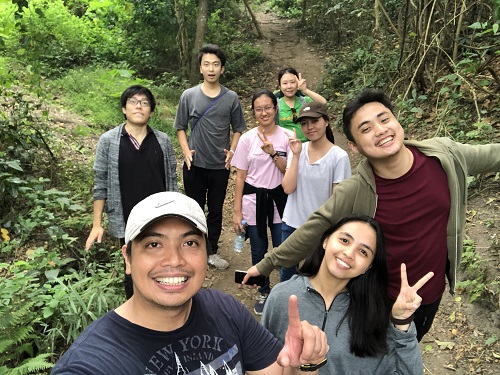
On weekends during my 8 weeks I went on three trips. The first was climbing a volcano with Filipino colleagues and seniors — the boat driver to the volcano was rough and we got soaked. The second was with only Japanese people to a rural island called Masasa Beach, where we enjoyed snorkeling, swimming and nature. The third trip was again at the invitation of Filipinos, to Sagada in the north of the Philippines. Not only Filipinos but also Indonesian and Malaysian expats came along, so it felt like an international exchange and was great fun.
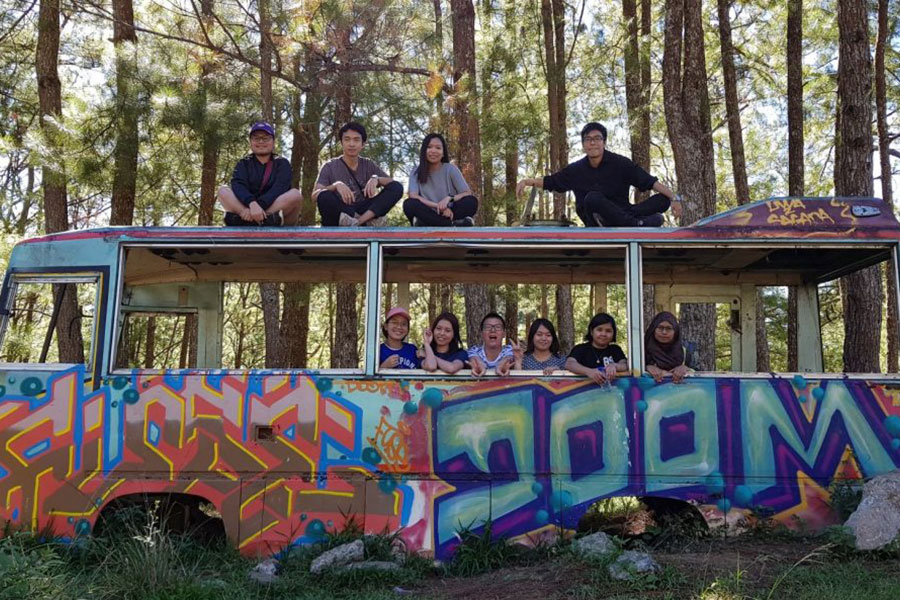
When I wasn’t traveling, colleagues showed me around amusement parks, shopping malls and food markets. I could experience Filipino culture first-hand.
I also watched movies and occasionally went to the gym to exercise. I even went running with a teacher at a sports field. Filipinos are very kind and invited me out all the time, so life outside work was also very fulfilling.
Is there anything you’d like to tell future participants, including preparation?
I don’t think special preparation is needed. Even if you can’t speak English, locals will kindly teach you, so don’t worry. But being able to speak even a little lets you communicate more with locals and express yourself more easily, so it might be good to get a little used to it.
Also, there is a local culture, so it’s important to take even a little interest in it and actively communicate yourself.
Filipinos will always happily talk if you talk to them! And if you learn some local words and mix them into your English, they’ll be really pleased. It might be good to learn and use even simple words.
Finally, please share any thoughts from your internship, including comments for those considering joining.
An internship in the Philippines is a very valuable experience.
Above all, it’s the connections with people. I’m still connected with the people I met in the Philippines after returning to Japan, and I’m sure those connections will become very important. Experiencing foreign culture will surely broaden your perspective too.Whether or not you’re interested in going abroad, I hope you’ll take advantage of it and make it the best experience!
Daily schedule
| Time | Content | Description |
|---|---|---|
| 7:00 | Wake up | I like a relaxed morning, so I got up 30 minutes early and got ready slowly. |
| 7:40 | Breakfast | Breakfast is at Grandline’s cafeteria, a 5-minute walk from the accommodation, with a delicious breakfast that changes daily. |
| 8:00 | Departure | The office was a bit far, so I commuted by booking a Grab (a Philippine taxi service). The client site changed weekly, but there was no need to walk outside, so it was safe. |
| 8:30 | Arrival at the internship office | Traffic jams are an everyday occurrence in the Philippines, so commuting time varies daily. Grab is comfortable, and you can use the time to study English or do what you like. Deloitte’s office is in BGC, an office district full of tall buildings — like Marunouchi in Tokyo. It was a very safe area. |
| 8:30~12:00 | Office work | For the first two weeks I mainly did office work. There was a Japanese manager, so I helped prepare materials and did translations. There were many locals in the office, so I actively talked to them and asked questions to communicate. |
| 12:00~13:00 | Lunch time | BGC has many restaurants, so you won’t have trouble finding food. Inside the office there’s a pantry, a break area for employees, where meals are served, so you can have lunch cheaply without going out. |
| 13:00~18:00 | Office work | For the remaining six weeks I didn’t go to the office but joined a local audit team and audited with Filipinos. I had zero audit experience and joined knowing nothing, but the members kindly taught me, so I could work with peace of mind. |
| 18:00 | Leaving the internship office | I basically left at 18:00 as contracted and returned to Grandline by Grab. Sometimes I was invited to dinner and ate out before going home. |
| 19:00~21:00 | Dinner | I had dinner with my Japanese boss or Filipino team members, and also with Grandline students and teachers. Filipino food was tastier than I expected and I got quite hooked. Sisig is delicious — give it a try. |
| 21:30 | Return home | Even when it got late, I walked home if it wasn’t too far. Taxis were cheap, so I used them sometimes too. |
| 23:00 | Bedtime | The condominium was very comfortable and I lacked nothing. The shower had hot water and the bed was spacious. Every day was very full, so I slept soundly. Security is tight, with guards at the entrance, so it’s safe. |
If you’re interested in an overseas internship, please see the details.